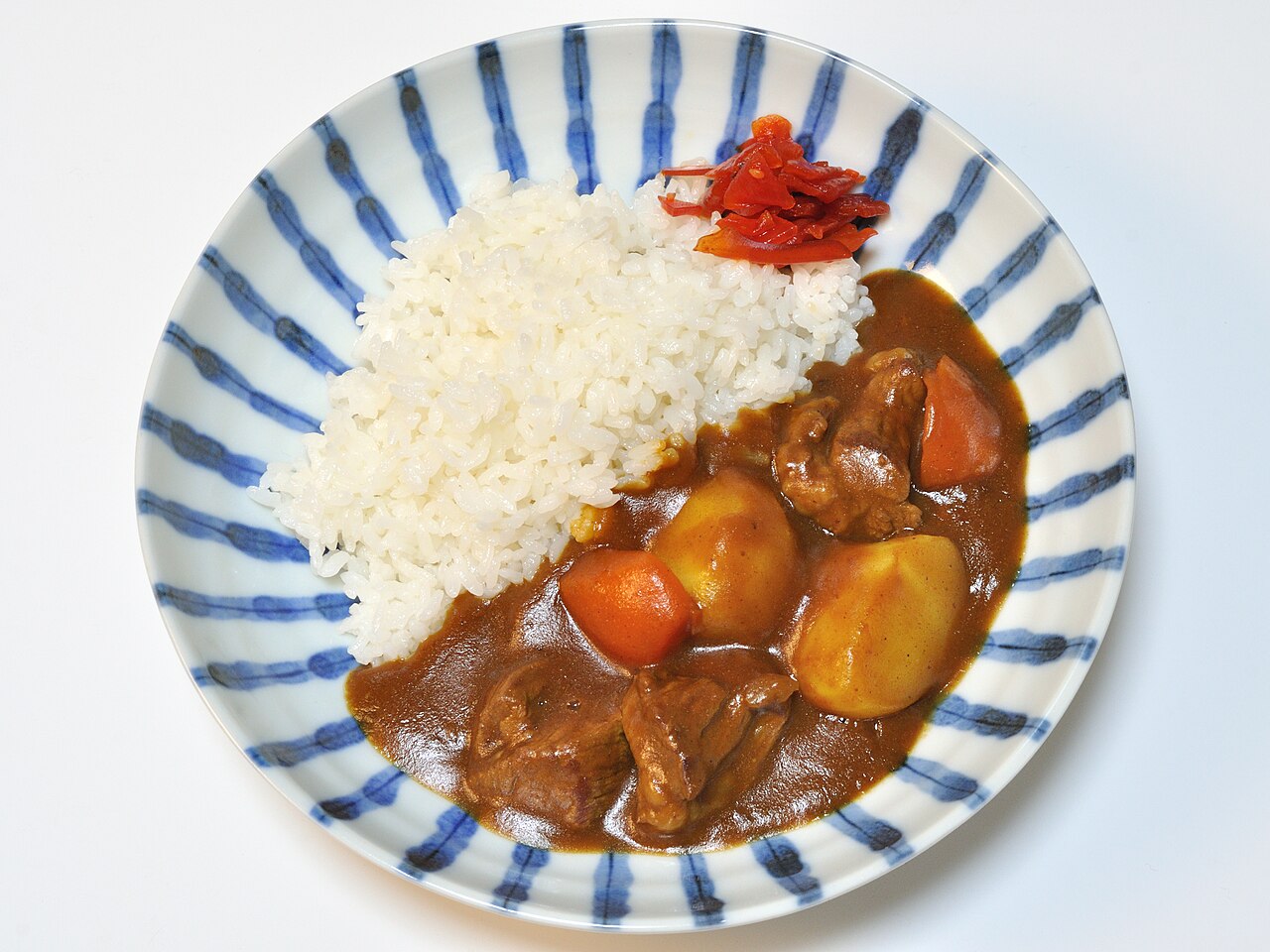
The Irresistible Allure of Japanese Curry (Karei Raisu)
Few dishes evoke the warmth and comfort quite like Japanese curry, affectionately known as karei raisu (curry rice). Far from its spicier Indian and Thai counterparts, Japanese curry offers a unique, deeply savory, and subtly sweet flavor profile that has captivated palates worldwide. It's a culinary hug in a bowl, a staple in Japanese homes, restaurants, and even school cafeterias. Imagine tender pieces of succulent chicken, sweet carrots, and earthy potatoes, all swimming in a velvety, rich brown sauce that’s both complex and incredibly satisfying. This guide will help you unlock the secrets to creating your own authentic Japanese curry karei raisu at home, transforming simple ingredients into a dish that's truly extraordinary. What makes Japanese curry stand apart? It's the harmonious balance of flavors: the deep umami, a hint of fruitiness, and a gentle warmth from the spices, all thickened to a luxurious consistency. Unlike other curries, it's often served simply over a bed of fluffy white rice, allowing the rich sauce and tender ingredients to shine. Whether you're craving a taste of Japan or simply looking for a hearty, flavorful meal, mastering homemade karei raisu is a rewarding culinary journey.Deconstructing Karei Raisu: Essential Ingredients & Flavor Profiles
At its heart, a classic bowl of Japanese curry is a symphony of accessible ingredients, transformed through careful preparation into a dish of profound depth. Understanding these components is the first step to crafting your perfect Japanese curry karei raisu.The Core Components:
- Protein: While chicken is arguably the most popular choice, providing tender, juicy morsels, beef and pork are also common. Ground meat, like sweet Italian pork sausage (casings removed), can add a fantastic depth of flavor, especially when browned to perfection. For vegetarian versions, firm tofu or hearty mushrooms make excellent substitutes.
- Vegetables:
- Onions: The undisputed backbone of the sauce. Slowly caramelizing onions until they are a deep golden-brown is non-negotiable for developing the curry's signature sweetness and umami. This step takes time but is absolutely worth the effort.
- Carrots: Lending natural sweetness and vibrant color, carrots are a classic inclusion.
- Potatoes: Hearty and comforting, potatoes absorb the curry flavor beautifully. Opt for a waxy or all-purpose potato that holds its shape well during simmering.
- Peas: Often added towards the end, peas contribute a pop of color and subtle sweetness. Feel free to include or omit them based on preference.
- Other Vegetables: Don't be afraid to experiment! Butternut squash or carnival squash, as demonstrated in some paleo versions, can add a wonderful creamy texture and natural sweetness. Bell peppers, mushrooms, or even green beans can also be delicious additions.
- Flavor Enhancers:
- Curry Powder & Garam Masala: These spice blends form the aromatic core. Adding them directly to the pan allows their flavors to bloom before liquid is introduced. Many recipes also utilize store-bought Japanese curry roux blocks for convenience, but making a roux from scratch offers unparalleled control over flavor and texture.
- Fruit: A secret weapon for many Japanese curry recipes. Grated apple, sometimes blended with spices, contributes natural sweetness and complexity, balancing the savory notes without making the dish overtly fruity. A dash of banana or even honey can achieve a similar effect.
- Umami Boosters: A splash of soy sauce, a spoonful of ketchup (especially paleo-friendly versions), or Worcestershire sauce can dramatically deepen the umami profile of your curry.
Crafting Your Own Authentic Japanese Curry (Karei Raisu) – A Step-by-Step Guide
Embarking on the journey to make your own authentic Japanese curry karei raisu from scratch is an incredibly rewarding experience. Forget the pre-made blocks for a moment and prepare to build layers of flavor that will impress even the most discerning palates.1. The Foundation: Mastering Caramelized Onions
This is where true flavor development begins. Slice 2-3 large onions into small wedges. In a large, heavy-bottomed pot or Dutch oven, melt your fat of choice over medium heat. Bacon fat adds a fantastic smoky depth, but ghee, butter, or even a neutral oil will work well. Add the onions and cook them slowly, stirring every 3-5 minutes, for at least 20-30 minutes, or until they turn a beautiful, deep golden brown. Patience here is paramount; these caramelized sugars are crucial for the curry's rich, sweet undertones.
2. Building Layers: Meat, Vegetables, and Flavor Boosters
Once your onions are perfectly caramelized, it's time to build the next layer. If using ground meat (like the sweet Italian pork sausage mentioned in the reference context), strip it from its casings and add it to the pan with the onions. Break it up and brown thoroughly, draining any excess fat if necessary. If using chicken or beef, cube it and sear it until browned on all sides, then remove and set aside.
Next, add your harder vegetables, such as cubed potatoes and carrots, to the pan. Sauté for a few minutes. This is also the stage to introduce grated apple (peeled and cored), along with generous amounts of curry powder and garam masala. Let these spices toast for a minute, stirring constantly, to release their aromatic oils. If you removed the meat earlier, return it to the pot now. Add enough water or chicken/vegetable broth to just cover the ingredients. Bring to a simmer, then reduce heat, cover, and cook until the vegetables are tender, typically 15-20 minutes.
3. The Heart of the Curry: Perfecting the Roux (or Roux Alternative)
The roux is what gives Japanese curry its characteristic thick, luxurious texture. While traditional recipes use butter and wheat flour, many home cooks, especially those with dietary restrictions, have found creative alternatives. For an in-depth exploration of this crucial step, including advanced tips, be sure to check out our guide on Mastering Karei Raisu: Crafting the Perfect Creamy Curry Sauce.
Traditional Roux:
In a separate saucepan, melt 2-3 tablespoons of butter or ghee. Whisk in an equal amount of all-purpose flour until a smooth paste forms. Cook over medium-low heat for 1-2 minutes, stirring constantly, until the roux is light golden and smells nutty. Gradually whisk in a ladleful of the hot liquid from your main curry pot. Once smooth, whisk this mixture back into the main pot.
Paleo/Gluten-Free Roux:
Making a gluten-free roux, especially with tapioca flour, can be tricky. As one of our reference sources aptly describes, a little tapioca goes a long way, and too much can lead to a "gelatinous bit of goo." The key is to start small! For a detailed recipe and expert advice on navigating these challenges, our article Paleo Japanese Curry: Gluten-Free Karei Raisu with a Twist offers invaluable insights.
A good starting point is 1 teaspoon of tapioca flour (or arrowroot powder) whisked into 1 tablespoon of melted ghee or coconut oil in a small saucepan. Whisk continuously as it thickens. Once blended, add a dash more curry powder, garam masala, paleo ketchup, and coconut aminos to this roux. Then, gradually whisk in several ladles of the hot liquid from your main pot until a smooth, thick sauce forms. Transfer this mixture back into your main curry pot, stirring until everything is well combined and the curry reaches your desired consistency. Continue to simmer gently for another 5-10 minutes to allow the flavors to meld and the sauce to thicken further.
4. Simmer, Savor, Serve!
Once the sauce is made and incorporated, taste and adjust seasonings. You might want more curry powder, a pinch of salt, or a touch of sweetness. If adding frozen peas, stir them in during the last 5 minutes of cooking. The gentle simmering allows the flavors to deepen and the vegetables to become wonderfully tender. Serve your exquisite Japanese curry karei raisu piping hot over a mound of fluffy white rice. For a paleo option, serve it over cauliflower rice, or even by itself in bowls, as one family did to enthusiastic reviews!
Tips for Elevating Your Japanese Curry
Achieving that perfect, deeply satisfying bowl of Japanese curry karei raisu goes beyond just following a recipe. Here are some insights and practical tips to take your homemade curry to the next level:- Embrace the Onion Alchemy: We can't stress this enough. The slow, patient caramelization of onions is the single most important step for developing the fundamental sweetness and umami of the curry. Don't rush it! Low to medium heat and consistent stirring will yield the best results.
- Ingredient Quality Matters: While Japanese curry is forgiving, using fresh, high-quality vegetables and a good brand of curry powder or a homemade spice blend will make a noticeable difference in the final flavor.
- Balance is Key: Japanese curry is all about harmony. If your curry feels too savory, add a touch more grated apple, honey, or a pinch of sugar. If it needs more depth, a dash of soy sauce or even a tiny amount of instant coffee (yes, really!) can work wonders. For a hint of heat, a pinch of cayenne or shichimi togarashi can be stirred in at the end.
- The Power of Umami Boosters: Beyond standard spices, consider adding a small amount of grated ginger and garlic along with your onions for an extra aromatic layer. A splash of mirin (sweet rice wine) or a teaspoon of dashi powder can also amplify the umami.
- Let it Rest: Like many stews and braises, Japanese curry karei raisu often tastes even better the next day. The flavors continue to meld and deepen as it cools and reheats, making it an ideal make-ahead meal.
- Dietary Adaptations: Japanese curry is incredibly versatile. For those following a paleo diet, use ghee, coconut oil, and tapioca flour for the roux, and serve with cauliflower rice. For vegans, replace meat with firm tofu or mushrooms, use vegetable broth, and ensure your roux is made with plant-based fats.
