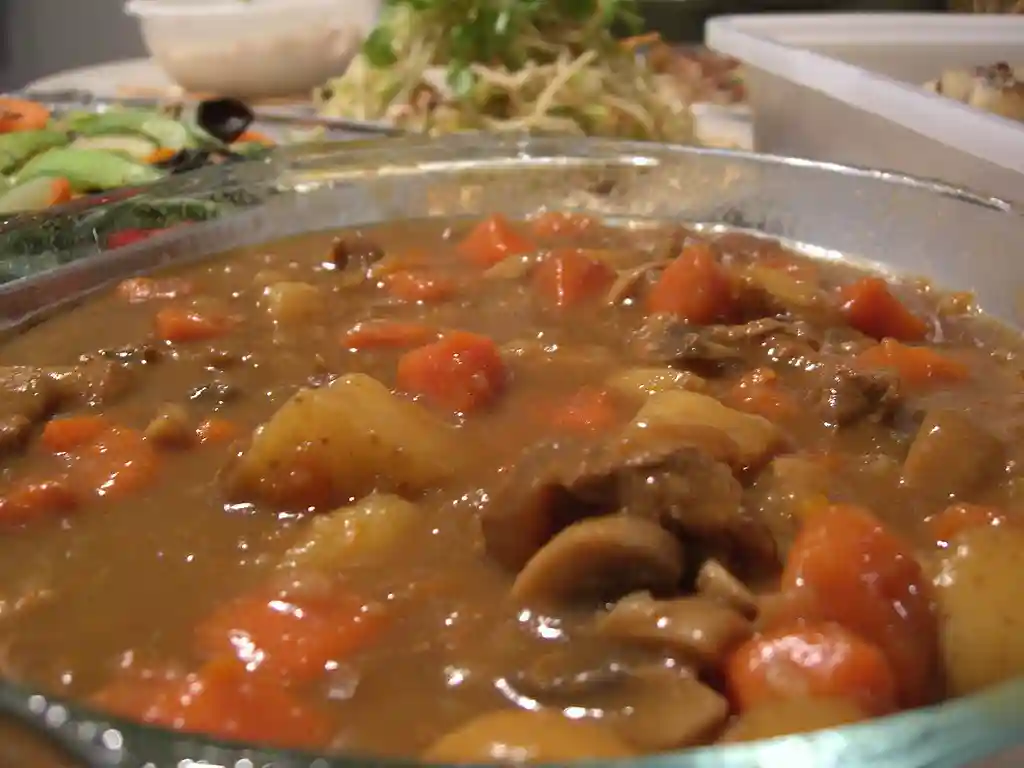
Paleo Japanese Curry: Gluten-Free Karei Raisu with a Twist
There's something uniquely comforting about a rich, savory bowl of Japanese curry, often known as
karei raisu. The tender chunks of meat and vegetables simmered in that thick, umami-laden sauce have a way of transporting you back to cherished memories or simply offering the perfect antidote to a long day. But for those following a paleo or gluten-free lifestyle, this beloved classic often feels out of reach due primarily to the traditional wheat-based roux and starchy potatoes. What if we told you it's entirely possible to enjoy a deeply satisfying, flavorful Japanese curry karei raisu that not only aligns with your dietary needs but also introduces exciting new dimensions of taste?
This article dives deep into crafting a Paleo Japanese Curry, a gluten-free karei raisu with a clever twist, proving that dietary restrictions don't have to mean sacrificing the comfort of your favorite dishes. We'll explore ingenious ingredient substitutions, master the tricky art of a grain-free roux, and build layers of flavor that will make this dish a new family favorite.
The Heart of Japanese Curry: Karei Raisu Reimagined for Paleo
At its core, a traditional
Japanese curry karei raisu features succulent pieces of meat (often chicken), carrots, and potatoes, all bathed in a robust, savory curry sauce typically thickened with a wheat flour roux. The challenge for a paleo adaptation lies in bypassing these gluten-containing and starchy ingredients without compromising the characteristic texture and taste that makes Japanese curry so distinct.
Our paleo reimagining tackles these hurdles head-on. Potatoes, a staple in conventional karei raisu, are replaced with nutrient-dense winter squash, offering a similar starchy mouthfeel with a touch of natural sweetness and a bounty of vitamins. The most significant hurdle, the roux, is ingeniously recreated using tapioca flour, requiring a delicate touch to achieve that perfect creamy consistency without any gluten. This approach transforms a classic comfort food into a wholesome, nutrient-packed meal that delivers all the flavor you crave, making it a truly gluten-free karei raisu experience.
Crafting the Flavor Foundation: Beyond the Basics
The magic of any great curry lies in its foundational flavors, and our Paleo Japanese Curry is no exception. Building depth starts long before the sauce comes together.
Building Umami with Caramelized Onions
One of the first and most crucial steps in developing a rich, complex flavor profile is the slow caramelization of onions. This isn't a step to rush. Slicing onions into small wedges and letting them gently cook in your fat of choice (bacon fat is highly recommended here for its incredible depth and compatibility with pork sausage, if using) over medium-low heat for an extended period – think 15-20 minutes, stirring occasionally – transforms their sharp pungency into a beautiful, golden sweetness. This process creates a deep umami base that is indispensable for a truly outstanding Japanese curry karei raisu.
Meat and Vegetable Powerhouse
When it comes to the protein, ground sweet Italian pork sausage, stripped from its casings and browned, offers a fantastic savory kick that pairs beautifully with the caramelized onions. The bacon fat used earlier only amplifies this flavor. However, feel free to experiment with other paleo-friendly meats like boneless, skinless chicken thighs or beef chuck, cut into stewing pieces.
For vegetables, the classics get a paleo upgrade:
*
Carrots: These remain a staple, adding color and earthy sweetness. Par-cooking them slightly before adding to the main pot ensures they reach perfect tenderness without turning mushy.
*
Winter Squash: This is our star potato substitute. Varieties like carnival squash (as used in the inspiration), butternut, or kabocha work wonderfully. They contribute a creamy texture and subtle sweetness. Be warned, though, some squash can be tough to cut and peel uncooked, so a sharp knife and caution are your best friends!
*
Peas (Optional): While technically a legume and not strictly paleo for some, frozen peas can be included if your family enjoys them or if you're following a more relaxed paleo approach. They add a pop of color and sweetness. If strict paleo, simply omit them.
Secret Flavor Boosters and Aromatic Spices
What truly elevates this paleo Japanese curry beyond a simple stew are a few unexpected additions and a generous hand with spices.
*
The Apple Twist: A peeled, cored, and cubed apple, blended with a dash of garam masala and curry powder, introduces a crucial fruity sweetness and subtle acidity. This natural pectin also contributes to the sauce's body, a clever twist that enhances both flavor and texture.
*
Aromatic Spices: Curry powder and garam masala are the heroes here. Don't be shy! As our inspiration suggests, you can "never have enough" of these. They provide the warm, complex, and earthy notes essential to an authentic-tasting japanese curry karei raisu. Remember to taste as you go and adjust to your preference.
Mastering the Gluten-Free Roux: The Paleo Karei Raisu Challenge
This is arguably the most critical and potentially challenging aspect of creating a successful gluten-free karei raisu. Traditional Japanese curry relies heavily on a wheat-based roux for its signature thick, luxurious sauce. Replicating this without gluten requires precision and understanding of alternative thickeners.
The Tapioca Flour Dilemma: Less is More
Tapioca flour (or starch) is a fantastic gluten-free thickener, but it behaves very differently from wheat flour. Its thickening power is significantly higher, and too much can quickly lead to a gelatinous, gummy texture – a common pitfall, as our reference context humorously illustrates! The key takeaway: a little tapioca goes a very long way.
To craft a perfect paleo roux for your japanese curry karei raisu, follow these steps:
1.
Choose Your Fat: Ghee is an excellent choice for its rich flavor and high smoke point, aligning perfectly with paleo principles.
2.
Start Small, Whisk Constantly: In a separate saucepan, melt about 1 tablespoon of ghee. Crucially, add just *one teaspoon* of tapioca flour to start. Immediately begin whisking vigorously. The mixture will quickly begin to thicken.
3.
Infuse with Flavor: Once a paste forms, whisk in additional garam masala and curry powder. This toasts the spices, releasing their full aroma and flavor into the roux.
4.
Add Liquid Enhancers: Incorporate paleo ketchup (ensure it's sugar-free and compliant) and coconut aminos. These add essential umami, sweetness, and tang, rounding out the sauce profile.
5.
Taste and Adjust: Always taste at this stage. You might find yourself wanting *more* curry or garam masala – embrace it!
6.
Combine with Main Pot Liquid: Once your roux is a smooth, flavorful paste, begin carefully ladling some of the hot cooking liquid from your main curry pot into the roux saucepan, whisking continuously to incorporate. This gradual addition prevents lumps and helps temper the roux.
7.
Integrate: Pour the now thinned-out, creamy roux mixture back into your main curry pot. Stir everything thoroughly until the sauce reaches your desired thickness. This careful process is key to
mastering karei raisu: crafting the perfect creamy curry sauce, even with paleo ingredients.
Assembling Your Paleo Japanese Curry Feast
Once your vegetables are tender and your gluten-free roux is perfectly integrated, all that's left is to let the flavors meld. Simmer the entire dish on low heat for another 10-15 minutes, allowing the spices to deepen and the sauce to thicken beautifully. Taste and adjust seasonings one last time – perhaps a pinch more salt, a dash of white pepper, or even a squeeze of fresh lime juice for brightness.
This Paleo Japanese Curry, or gluten-free karei raisu with a twist, is incredibly versatile in how it can be served. While traditional Japanese curry often accompanies steamed white rice, your paleo version offers healthier, equally satisfying alternatives:
*
Cauliflower Rice: A classic paleo pairing that perfectly soaks up the rich sauce.
*
By Itself: A hearty and complete meal on its own, served in a bowl, allowing the curry to be the star.
*
Over Spiralized Vegetables: Zucchini or sweet potato noodles can offer another interesting texture and nutrient boost.
*
With Steamed Greens: A simple side of steamed bok choy or spinach can complement the richness of the curry.
The true success of this dish, as our reference tells us, will be when it receives "two thumbs up" from even the pickiest eaters.
Conclusion
Reinventing a cherished comfort food like Japanese curry karei raisu to fit a paleo or gluten-free lifestyle might seem daunting, but as you've seen, it's not only possible but incredibly rewarding. By thoughtfully substituting ingredients, mastering the nuances of tapioca flour, and building layers of flavor from caramelized onions to aromatic spices, you can create a truly spectacular Paleo Japanese Curry. This gluten-free karei raisu with a twist proves that healthy eating doesn't mean sacrificing the joy and warmth of your favorite dishes. So, go ahead, embrace the challenge, and savor a bowl of this wholesome, deeply satisfying curry – your taste buds, and your body, will thank you.