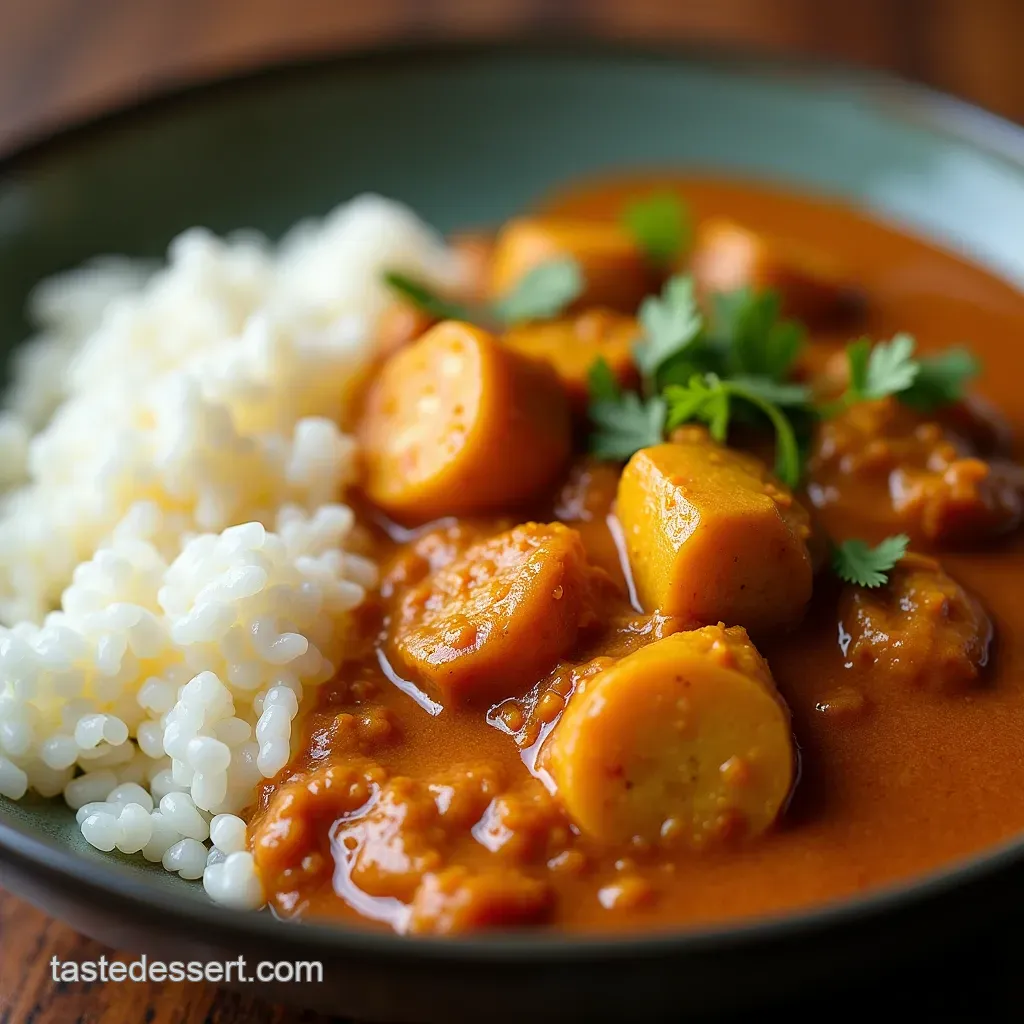
Mastering Karei Raisu: Crafting the Perfect Creamy Curry Sauce
Few dishes evoke such a sense of comfort and satisfaction as
Japanese curry, or Karei Raisu. This beloved culinary staple, deeply ingrained in Japanese culture, is a symphony of flavors – rich, savory, slightly sweet, and wonderfully aromatic. While the tender hunks of chicken, vibrant carrots, and hearty potatoes are essential, the true soul of this dish lies within its velvety, creamy curry sauce. It’s the sauce that brings everything together, creating that uniquely comforting experience. For anyone looking to truly master Karei Raisu, understanding and perfecting this sauce is paramount. This guide will walk you through the journey of crafting that ideal creamy curry sauce, from the foundational aromatics to the thickening magic, ensuring every spoonful is pure bliss.
The Flavor Foundation: The Art of Caramelizing Onions
Every great curry begins with a robust flavor base, and for Karei Raisu, this means patiently caramelizing onions. This crucial first step transforms humble onions into a sweet, deeply savory foundation, adding an incredible depth that permeates the entire dish.
Imagine thinly sliced onion wedges, slowly browning in a fat of your choice – perhaps rendered bacon fat for an extra layer of smoky richness, or ghee for a buttery, nutty undertone. Over medium-low heat, these onions are encouraged to "ruminate," as one might say, stirring every few minutes. This process is not to be rushed. Allow them to soften, turn translucent, and gradually develop a beautiful golden-brown hue, often taking 20-30 minutes or even longer. This slow caramelization coaxes out the natural sugars, contributing a nuanced sweetness that balances the spices and creates a complex, irresistible base for your
japanese curry karei raisu. The deeper the caramelization, the richer and more profound your final sauce will be.
Building the Heart of Your Curry: Proteins and Vegetables
With your aromatic base established, it’s time to introduce the stars of the dish – your proteins and vegetables. Traditionally, Karei Raisu features tender pieces of chicken, but it's incredibly versatile. Ground sweet Italian pork sausage, with its inherent seasonings, offers a fantastic alternative, browning beautifully and infusing the dish with its savory juices. Beef, lamb, or even firm tofu can be excellent choices. Whichever protein you choose, ensure it's well-browned to lock in flavor before adding other ingredients.
Next come the vegetables. Classic Karei Raisu typically includes hearty chunks of carrots and potatoes, which absorb the curry flavors wonderfully and add substance. But don't hesitate to experiment! Frozen peas offer bursts of sweetness and color, while tougher vegetables like carnival squash (or butternut, kabocha) can be added early to allow ample time to soften. A clever tip is to pre-cook harder vegetables like carrots and potatoes slightly in a separate pot of salted water. This ensures they reach perfect tenderness without overcooking other components. The cooking water from these vegetables can then be wisely incorporated into your main pot, adding an extra layer of subtle flavor to the developing curry. These ingredients will simmer together, their flavors melding, laying the groundwork for the magnificent sauce.
The Secret Weapon: Apple and Spice Infusion
One of the delightful secrets to a well-rounded and creamy
japanese curry karei raisu sauce is the addition of a seemingly unusual ingredient: apple. Once peeled, cored, and cubed, a crisp apple blended with spices like garam masala and curry powder adds an incredible dimension. It provides natural sweetness, a hint of acidity to brighten the dish, and even a subtle thickening quality as it breaks down.
The spice blend itself is crucial. A good quality Japanese curry powder provides the essential flavor profile, while garam masala, with its warming and complex aromatics, elevates the entire dish. Don't be shy with your spices; as some culinary enthusiasts attest, "you can never have enough!" Adding some spices early with the onions can help toast them and deepen their flavor, while later additions can provide a fresh aromatic punch. This combination of fruit and spice creates a balanced, flavorful core that truly makes the creamy curry sauce sing.
Mastering the Sauce: The Roux and Its Creative Alternatives
The ultimate goal of
mastering Karei Raisu is crafting that perfect creamy curry sauce. The traditional method for achieving this thick, luscious texture often involves a roux – a mixture of fat and flour cooked together.
Traditional Flour-Based Roux
For a classic approach, a roux made with butter or ghee and wheat flour is common. The key here is to cook the flour long enough to eliminate any raw taste, allowing it to turn a light golden brown before gradually whisking in liquid from your main curry pot. This creates a smooth, thick base that enrobes all the ingredients beautifully.
Gluten-Free and Paleo Innovations
However, for those navigating dietary restrictions, a gluten-free or
paleo Japanese curry requires a more inventive approach to the roux. Tapioca flour is a fantastic alternative, though it demands a delicate hand. As experienced gluten-free cooks know, "a little goes a long way!" Starting with a small amount, like a single teaspoon of tapioca flour whisked into ghee over low heat, is essential. As it begins to thicken, incorporate your spices – more garam masala and curry, along with flavor enhancers like paleo ketchup (for tang and depth) and coconut aminos (for umami-rich sweetness).
Once this rich paste forms, gradually ladle hot liquid from your main curry pot into the roux, whisking constantly to ensure a lump-free, silky consistency. This careful integration is what transforms a simple roux into a creamy curry sauce that is truly "amazing!" If tapioca flour proves challenging, other gluten-free thickeners like cornstarch or arrowroot powder (often mixed into a cold slurry before adding to hot liquid) can also be used effectively. The goal is a velvety, glossy sauce that clings to every piece of chicken and vegetable.
Bringing It All Together and Serving Your Masterpiece
Once your exquisite creamy curry sauce is perfected, it’s time for the grand finale. Gently pour the sauce over the main pot of proteins and vegetables, mixing everything together until every component is coated in the luxurious sauce. Allow it to simmer for a few more minutes on low heat, giving the flavors a chance to meld and deepen further. This final gentle simmer is crucial for achieving that harmonious taste.
Traditionally, Karei Raisu is served generously over fluffy white rice. For a lighter or paleo option, cauliflower rice makes an excellent substitute, soaking up all the incredible flavors. Don't be surprised if your family gives it "two thumbs up" – this dish has a way of becoming an instant favorite. For an authentic touch, consider garnishing your bowls with fukujinzuke (Japanese pickled daikon and vegetables) or a sprinkle of chopped scallions. Japanese curry often tastes even better the next day, making it an ideal make-ahead meal.
Conclusion
Crafting the perfect creamy curry sauce for your
japanese curry karei raisu is a rewarding culinary journey. From the sweet, deep base of caramelized onions and the thoughtful selection of proteins and vegetables, to the surprising sweetness of apple and the layered warmth of spices, every step contributes to its comforting magic. Whether you opt for a traditional flour-based roux or master the art of gluten-free alternatives like tapioca flour, the result is a rich, velvety sauce that defines this beloved dish. Embrace the process, experiment with flavors, and savor the incredible satisfaction of a truly homemade, masterfully crafted Karei Raisu.